Phone Numbers





Infertility is more common than many realize, affecting approximately 1 in 6 straight couples trying to conceive. Achieving pregnancy is a complex process that depends on numerous factors aligning perfectly, including healthy eggs and sperm, proper hormonal balance for ovulation, open fallopian tubes, precise timing, and a receptive uterine lining, among others.
At Boston IVF, our dedicated care team works to identify the underlying causes of infertility and develop personalized treatment plans to address your unique needs. You can feel confident knowing you're in the right place to find answers and take meaningful steps toward building your family.
In opposite-sex couples, infertility can be relate to the male partner, female partner, or both. Research suggests that about ⅓ of the time, infertility is due to male factors, another ⅓ of the time it’s due to female reproductive issues, and ⅓ of the time it’s due to either both partners or unknown factors.
Ovulation disorders: If a person isn’t regularly ovulating, there is no egg to fertilize. Anovulation (absence of ovulation) can be caused by:
✓ Low body weight due to athleticism or eating disorders
✓ Polycystic ovary syndrome (PCOS)
✓ Diminished ovarian reserve or premature ovarian failure, in which the ovaries have reduced reproductive potential because not as many eggs are present as would be expected at a given age
✓ Endometriosis can impact ovulation if there are endometrial implants on the ovaries
✓ Hormonal dysfunction originating in the thyroid or pituitary glands
Endometriosis: This is a condition in which the tissue that typically makes up the uterine lining develops in other places in the body, especially around the reproductive organs. As previously mentioned, endometriosis can cause anovulation but can impair fertility in a number of other ways, including potential adhesions causing a blockage in the uterus or fallopian tubes.
Structural abnormalities of the uterus: If the uterine cavity is abnormal because of the presence of polyps, fibroids, adhesions, or a septum, this can prevent adequate implantation, or lead to recurrent miscarriages.
Structural abnormalities of the fallopian tubes: Fallopian tubes need to be open to allow fertilization to take place. Damage, scar tissue or a accumulation of fluid aka hydrosalpinx can prevent the fallopian tubes from being open and impact fertilization.
Structural abnormalities of the ovaries: Ovarian cysts or prior ovarian surgery can affect fertility by impacting predictable ovulation or decreasing ovarian reserve.
STDs: Sexually transmitted diseases can impact fertility in a variety of ways, including inflammation and scar tissue formation in the pelvis especially in the uterus and fallopian tubes.
Sperm production abnormalities within the testicles: Abnormalities in sperm quality of count can lead to male factor infertility. Reduced sperm quality/quantity can be a result of:
✓ Prior testicular injury
✓ History of undescended testis
✓ Hormonal abnormalities
✓ Sexually transmitted diseases, both past and present, can have an impact on male sperm production
Problems with sperm transport/ejaculation: In this case, sperm production may be normal but ejaculation is impaired for a number of reasons, which could include:
✓ Previous surgery such as vasectomy, hernia repair, or surgery to the scrotum, testicles, or prostate
✓ Premature ejaculation or absent ejaculation during sex
✓ Retrograde ejaculation (also called dry orgasm) where semen is ejaculated back into the bladder instead of out of the urethra
✓ Blockages in any of the small ducts that carry sperm
✓ Damage to the sperm pathway from past sexually transmitted diseases
Genetic disorders: Certain sex-linked genetic disorders, such as cystic fibrosis or Klinefelter’s syndrome, main impact male fertility
Anti-sperm antibodies (ASAs): In rare cases, a person’s immune system does not recognize sperm cells and specific antibodies attack the sperm to neutralize the threat. This could be an individual's own immune system attacking their sperm cells, or a female partner’s immune system attacking a male partner’s sperm following ejaculation.
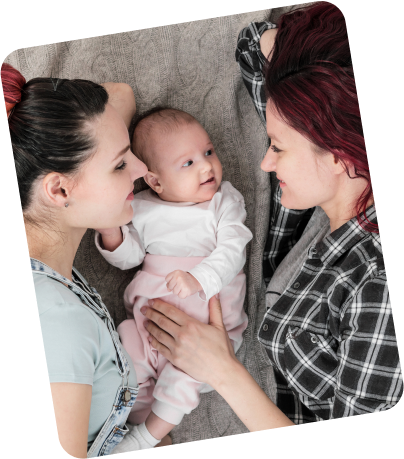
With 150,000 Boston IVF babies born to date, there’s a story for every experience. Hear from people who have been in your shoes.





Though Boston IVF provides many services besides in vitro fertilization, the successes of this treatment make it a popular approach to treat a wide range of infertility causes. Let us walk you through the basics and the common misconceptions about IVF.
Explore IVF
Age: Age alone does not cause infertility in individuals with ovaries. It’s more accurate to say that people lose reproductive potential as they age, particularly past age 35, because they have fewer eggs left in their ovaries. Moreover, with increasing age, egg quality is reduced and therefore embryos have a higher chance of having chromosomal abnormalities and therefore are less likely to result in a successful pregnancy.
Sexual Dysfunction: It might seem obvious, but inability to have sex can impair an opposite-sex couple's ability to get pregnant without assistance. Erectile dysfunction, premature ejaculation, low sex drive, or aversion to sex due to trauma are a few of examples that can impair sexual intercourse.
Hormone Imbalances: Hormone function is closely linked with fertility for all genders. Hormone imbalances can lead to difficulty conceiving.
Wherever you are in your fertility journey, we look forward to being part of your story.
 NEW ENGLAND: (888) 300-2483


